NourishHope (NHP)
Fuel Recovery, One Token at a Time
Fuel Recovery, One Token at a Time


This is the story of one family. It is shared with permission so that other parents know they are not alone, and so that the system can better understand what families actually go through.
Nothing prepared us for the day an eating disorder came into our daughter’s life. There was no warning and no manual. Before long, we were a family living between home, work and hospital wards.
H was referred to the Children and Young People’s Community Eating Disorders Service, and we were grateful for the assessment. But the illness moved faster than the appointments. She restricted food and fluids. At her worst she went a week without eating, managing only a little water. Her body began to suffer too. One morning she woke in pain, and at Teddington Memorial Hospital she was diagnosed with a serious kidney and urine infection that had spread to her back. She was sent home on antibiotics, under our observation.
H was admitted for three weeks for nasogastric feeding to stabilise her physical health. Later her condition went into self-harm, and when she tried to take her own life she was admitted to a hospital in another part of London. In total, she spent several months in hospital.
One thing on those wards troubled us deeply. Many of the children had access to Instagram and Snapchat groups where they shared their conditions with each other. Something seemed to be pulling them into a secretive online world, out of sight of the adults trying to help them. I believe this deserves far more attention from services, schools and the platforms themselves.
The professionals did their best. H was prescribed sertraline, and later olanzapine alongside her treatment for anorexia, to reduce her distress around mealtimes and the intensity of the eating disorder thoughts. She struggled badly with sleep, especially falling asleep. Medication sometimes helps and sometimes doesn’t, and there is no quick fix.
What we heard most from the professionals was that we must keep the appointments. We did, but no one asked how we were managing to.
We both work. We could not work from home, and we had no savings to fall back on. There were no extra funds to help with the cost of long days and nights in hospital, and nothing to cover time away from work.
We asked our local council for help, and they turned us down. When H was admitted in another borough, the nurses told us that support existed in that council. Hearing that help was available somewhere else, but not for us, was not comforting.
By God’s grace, we kept working and still found the time to be with our daughter. It was the most stressful period of our lives.
We are sharing our story so that other families know they are not alone, and so that those who design these services understand what it is really like.
NourishHope exists to help fund earlier diagnosis, better family support, and research that can reduce the time families spend in crisis.
Support Families Like OursAnorexia nervosa is like a disorganised house — cluttered, undervalued, and in need of care. NourishHope uses blockchain to fund early diagnosis and support, turning chaos into vibrant spaces of hope. Partnering with CAMHS (UK), NEDA (US), and global programmes.

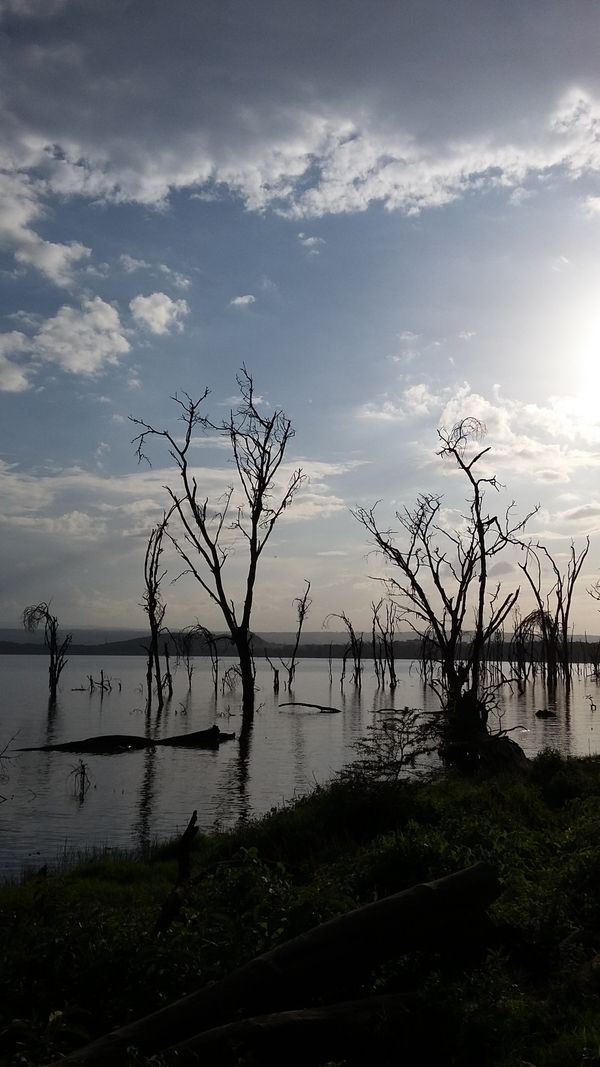
Early diagnosis: Clearing the clutter of distorted body image.
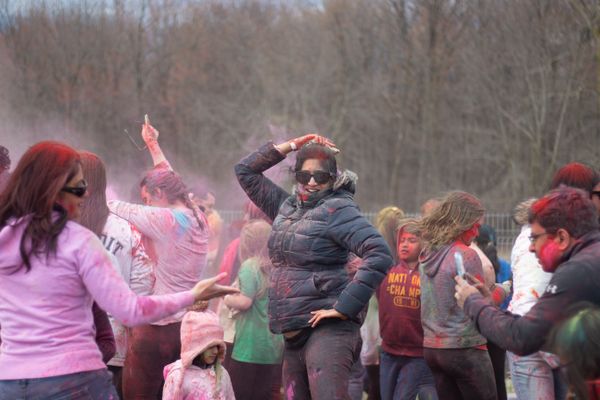
Therapy and hospital support: Rebuilding foundations with family help.
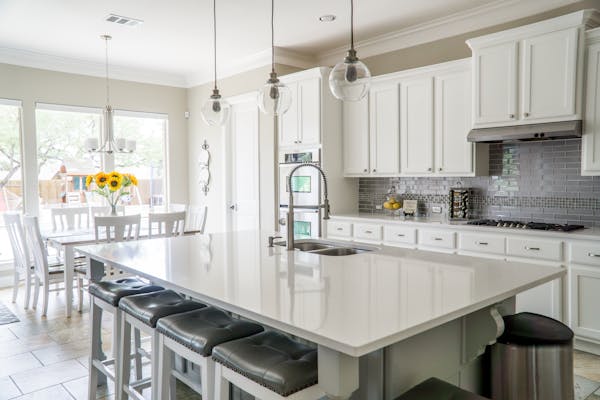
Long-term wellness: A nourished, vibrant life worldwide.
Total Supply: 1,000,000,000 NHP
40% Liquidity • 30% Charity • 20% Marketing • 10% Team
Purchase NHP tokens to fund recovery programmes and family support. Max 1,000,000 NHP per wallet.
Connect Wallet